Contact us

Category: Uncategorized

  • NATARAJ – Symbolism

    NATARAJ – Symbolism

    YAI Certified Schools

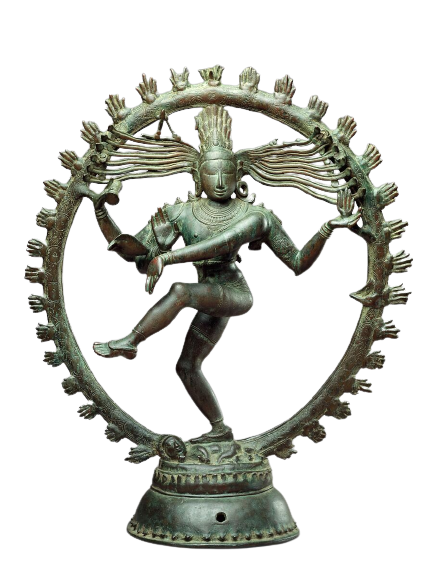
    Nataraja -the majestic depiction of Lord Shiva as the cosmic dancer holds deep meaning and significance. With his dynamic and graceful dance, Nataraja symbolizes the eternal cycle of creation, preservation, and destruction.

    Creation: In his dance, Nataraja represents the continuous process of creation. The cosmic fire in his hand signifies the energy that fuels the birth of the universe. As he dances, the rhythm of his movements brings forth new life and possibilities.

    Preservation: Nataraja’s dance also symbolizes the aspect of preservation in Hindu philosophy. The gesture of his other hand is the “Abhaya Mudra,” expressing protection. It assures devotees that Lord Shiva will safeguard them from all harm. The dance showcases the balance and harmony needed for the sustenance of life.

    Destruction: The wild flames encircling Nataraja’s form symbolize destruction. This aspect represents the transient nature of life and the inevitability of change.

    Through his dance, Lord Shiva reminds us that endings are necessary for new beginnings, and that destruction paves the way for rebirth and renewal.

  • The 5 “elements”

    The 5 “elements”

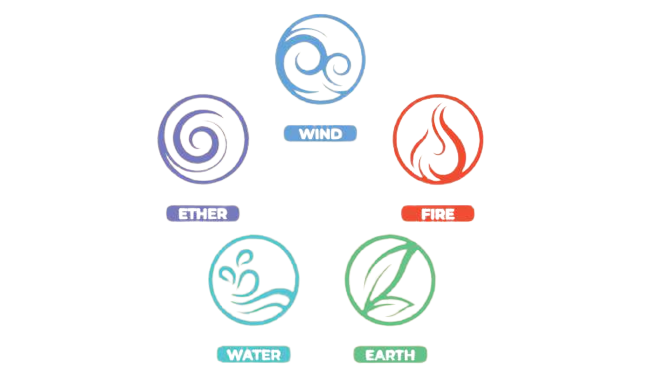
    In Hinduism, the Pancha Tattvas, also known as the five “elements”, play a crucial role in understanding the world and its various phenomena. These elements are Earth (Prithvi), Water (Jala), Fire (Agni), Air (Vayu), and Ether (Akasha).

    As our ancestors looked around the world, they hit upon a way to categorise what they saw and experienced. First off, there’s the experience of “solidness” (as in the Earth felt under our feet); then there’s “fluidity” , (as experienced in water and other fluids); then there’s “fire”,( as seen and felt in the forest fires); then there’s air (as felt in the wind, and in the breath) and finally, there’s Space (looking up at the sky and seeing the sun, the planets and the stars, there seems to be something in which everything is held).

    Transforming these categories to one’s own self, one can see that each of these elements represents a unique aspect of life and can be associated with certain qualities. For example, Earth signifies stability and physicality, while Water symbolizes fluidity and emotions. Fire represents transformation (as when food is cooked), Air represents movement and expansion (as when we breathe), and Space represents connections between all these factors.

    Looked at in this way, one can see that these elements exist within every individual and are responsible in many ways for shaping their characteristics and behavior. We can observe the presence of each of these elements within us. Balancing these elements within us is crucial for maintaining harmony and overall well-being. The practice of Yoga helps in this regard.

    In Hindu rituals and ceremonies, these elements are honored and respected. They are integrated into various practices, such as offering prayers to the Earth or invoking the element of Fire during religious ceremonies.

    Understanding and appreciating the Pancha Tattvas can provide individuals with a deeper understanding of the interconnectedness of all things in the world. It encourages individuals to recognize and embrace the diverse energies and qualities that exist within themselves and in the world around them.